Agriculture safety encompasses the practices, training and equipment controls that protect farm workers from the unique hazards of agricultural operations - including machinery entanglement, pesticide exposure, grain engulfment, heat illness and animal-related injuries. The Bureau of Labor Statistics consistently ranks agriculture among the most dangerous industries in the United States, with a fatal injury rate roughly seven times higher than the all-industry average.
Whether you operate a small family farm or a large commercial agricultural enterprise, a structured farm safety program saves lives and reduces the financial burden of workplace injuries. This guide covers the most critical farm safety hazards and the practical steps you can take to control them.
The Scope of Agricultural Safety Risks
Farm work involves a combination of hazards that few other industries match. Workers operate heavy machinery in uneven terrain, handle toxic chemicals, work in extreme temperatures and interact with unpredictable livestock - often in remote locations far from emergency medical services.
Free Download: 5 Safe Work Procedures
Choose from 112 professionally written SWPs. No credit card required.
Get Free SWPsAccording to the National Institute for Occupational Safety and Health (NIOSH), approximately 2 million full-time workers are employed in agricultural production in the United States. Each day, roughly 100 agricultural workers suffer a lost-work-time injury. In Canada, agriculture accounts for a disproportionate share of workplace fatalities relative to its workforce size.
The seasonal nature of farm work compounds these risks. During planting and harvest seasons, long hours and time pressure lead to fatigue-related mistakes. Temporary and migrant workers may lack familiarity with specific equipment or local safety regulations.
Major Farm Safety Hazards
Machinery and Equipment
Tractors are the single greatest source of fatal injuries in agriculture. Tractor rollovers account for a significant percentage of farm deaths each year. Rollover Protection Structures (ROPS) combined with seat belt use are the most effective prevention measure - yet many older tractors lack ROPS and retrofitting programs remain underutilized.
Power take-off (PTO) shafts, augers, conveyor belts and combine harvesters present entanglement hazards that can cause amputations or fatalities in seconds. All rotating components must have proper guarding. Workers must be trained to shut down and lock out equipment before performing maintenance or clearing jams.
Conduct regular equipment safety inspections before each use season and after any repair. Document every inspection to build a maintenance history that demonstrates due diligence.
Chemical and Pesticide Exposure
Agricultural chemicals - including pesticides, herbicides, fertilizers and fumigants - pose acute and chronic health risks. Acute exposure can cause respiratory distress, chemical burns, nausea and neurological symptoms. Long-term exposure has been linked to cancer, reproductive harm and chronic respiratory disease.
The EPA's Worker Protection Standard (WPS) establishes requirements for pesticide safety training, restricted entry intervals (REIs), personal protective equipment (PPE) and emergency decontamination. Workers who handle or apply pesticides must receive WPS training annually.
Store chemicals in ventilated, locked facilities away from living areas. Maintain Safety Data Sheets (SDS) for every product on site. Ensure emergency eyewash stations and showers are accessible in mixing and loading areas.
Grain Handling and Storage
Grain bins and silos present engulfment, entrapment and suffocation hazards. A worker can be submerged in flowing grain in under five seconds - and once buried, extraction is extremely difficult. OSHA's grain handling standard (29 CFR 1910.272) requires lockout/tagout procedures, atmospheric monitoring and rescue equipment at grain storage facilities.
Never allow workers to enter grain bins while unloading equipment is operating. Use a body harness with a lifeline and ensure at least one trained observer is stationed outside the bin with rescue equipment readily available.
Heat Illness and Environmental Exposure
Agricultural workers face extreme heat exposure, particularly during summer months in southern regions. Heat illness ranges from mild heat cramps to life-threatening heat stroke. Workers performing strenuous tasks in direct sunlight are especially vulnerable.
Implement a heat illness prevention program that includes access to water, rest breaks in shaded areas and acclimatization schedules for new or returning workers. Train supervisors to recognize early symptoms of heat exhaustion - including heavy sweating, weakness, dizziness and nausea - and respond immediately.
Animal-Related Injuries
Livestock operations present risks from kicks, bites, crushing and trampling. Cattle, horses and swine are responsible for numerous injuries and fatalities each year. Proper animal handling facilities - including chutes, headgates and sorting pens - reduce the need for close contact during routine procedures.
Train workers in low-stress animal handling techniques. Understand the flight zones and behavioral patterns of the species you work with. Never approach animals from blind spots and always have an escape route when working in confined spaces with livestock.
Building an Agricultural Safety Program
Hazard Assessment
Start with a comprehensive hazard assessment of your entire operation. Walk every field, barn, shop and storage area. Identify physical hazards, chemical exposures, biological risks and ergonomic stressors. Prioritize risks based on severity and likelihood.
This assessment should be updated seasonally as operations and conditions change. What is a low-risk area in winter may become a high-risk area during harvest when heavy equipment and additional workers are present.
Training and Toolbox Talks
Training is the foundation of farm safety. Every worker - including family members and seasonal employees - must understand the hazards they face and the controls in place to protect them. Training should cover equipment operation, chemical handling, emergency procedures and PPE use.
Toolbox talks are an effective way to deliver short, targeted safety messages on a regular basis. Before the spray season, conduct a talk on pesticide safety. Before harvest, review combine safety and grain handling procedures. These brief sessions keep safety awareness high without disrupting the workday.
Incident Reporting and Investigation
Every injury, near-miss and unsafe condition on the farm should be reported and investigated. Many farms have an informal culture where minor injuries go unreported - a cut here, a strain there. This culture hides patterns that could prevent serious incidents.
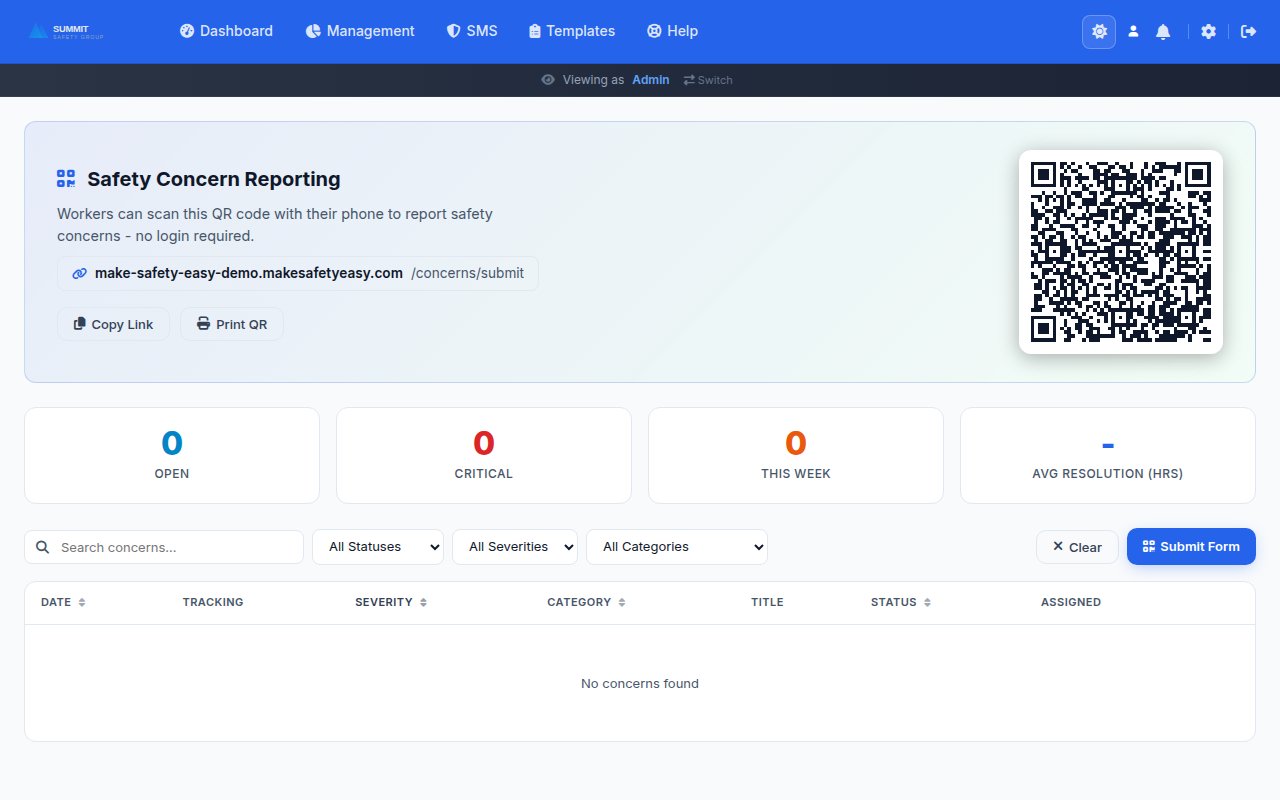
A digital incident reporting system makes it easy for workers to submit reports from the field using a mobile device. Automatic notifications alert supervisors so they can investigate promptly and implement corrective actions before the same hazard injures someone else.
Emergency Response Planning
Farms are often located in rural areas where emergency response times can exceed 30 minutes. This reality makes on-site emergency preparedness critical. Maintain first aid kits in multiple locations. Train workers in basic first aid and CPR. Post emergency contact numbers in every building and vehicle.
Develop specific response plans for the hazards most likely to occur on your operation - tractor rollovers, chemical spills, grain bin entrapment and severe weather events. Practice these plans through drills at least once per year.
Regulatory Compliance for Agricultural Operations
Agricultural employers in the United States are subject to OSHA regulations, though small farms (those with 10 or fewer employees and no temporary labor camps) have limited exemptions from certain standards. However, these exemptions do not eliminate the duty to provide a workplace free from recognized hazards under the General Duty Clause.
Canadian agricultural operations fall under provincial workplace safety legislation, which varies by province. Most provinces require agricultural employers to have written safety policies, conduct hazard assessments and provide worker training.
Key regulations that apply broadly to agricultural operations include:
- OSHA Field Sanitation Standard (29 CFR 1928.110): Requires drinking water, toilet facilities and handwashing stations for field workers
- EPA Worker Protection Standard: Governs pesticide safety training, PPE and restricted entry intervals
- OSHA Grain Handling Standard (29 CFR 1910.272): Addresses grain storage and handling hazards
- Rollover Protection Standards: OSHA requires ROPS on tractors manufactured after a specific date used by employees
Technology and Farm Safety Management
Modern agricultural safety management benefits enormously from digital tools. Mobile inspection apps allow workers to document equipment conditions in the field, even without cell service, by syncing when connectivity returns. Digital training records ensure you can prove compliance during audits or legal proceedings.
Centralized safety platforms replace the binders and filing cabinets that many farms still rely on. When inspection records, training logs, incident reports and SDS documents live in one system, nothing gets lost and everything is searchable.
Protect Your Workers and Your Operation
Agricultural safety is not just about compliance - it is about protecting the people who feed the world. Every injury prevented means a worker goes home healthy, a family avoids hardship and your operation continues without disruption.
Make Safety Easy gives agricultural operations the digital tools to manage safety effectively - from mobile toolbox talks to streamlined incident reporting. Build a safer farm without the paperwork burden.
Ready to modernize your farm safety program? Schedule a demo to see how Make Safety Easy works for agricultural operations. Or visit our pricing page to find a plan that fits your operation.
Ready to simplify your safety program?
Make Safety Easy helps teams run toolbox talks, inspections, incident reports and more - all from one platform.
Start Your Free TrialNo credit card required. 14-day free trial.