Ammonia refrigeration safety is a critical concern for food processing plants, cold storage warehouses, ice rinks and beverage facilities across North America. Anhydrous ammonia is an extremely efficient refrigerant, but it is also toxic, corrosive and flammable at certain concentrations. Facilities with ammonia systems exceeding 10,000 pounds must comply with OSHA's Process Safety Management (PSM) standard and every facility using ammonia - regardless of quantity - must have effective leak detection and emergency response procedures in place.
Why Ammonia Is Both Valued and Dangerous
Ammonia (NH3) has been used as an industrial refrigerant for over a century because of its superior thermodynamic properties. It is energy-efficient, cost-effective and has zero ozone depletion potential and zero global warming potential, making it an environmentally preferred refrigerant. However, its physical and health hazards demand rigorous safety management.
Health Hazards
Ammonia is immediately dangerous to life and health (IDLH) at concentrations of 300 parts per million (ppm). At lower concentrations, it causes severe irritation to the eyes, nose, throat and respiratory system. Key exposure thresholds include:
Free Download: 5 Safe Work Procedures
Choose from 112 professionally written SWPs. No credit card required.
Get Free SWPs- 25 ppm: OSHA Permissible Exposure Limit (PEL) - 8-hour time-weighted average
- 35 ppm: OSHA Short-Term Exposure Limit (STEL) - 15-minute exposure
- 50 ppm: Noticeable odor for most people, mild irritation begins
- 150-200 ppm: Severe eye and respiratory irritation, potential for chemical burns
- 300 ppm: IDLH - immediate evacuation required
- 2,500-4,500 ppm: Fatal within 30 minutes
Because ammonia has a strong, distinctive odor detectable at concentrations as low as 5 ppm, workers often receive early warning of a leak. However, olfactory fatigue can occur at higher concentrations, causing workers to lose their ability to smell ammonia just when concentrations become most dangerous. This is why electronic ammonia detection systems are essential.
Physical Hazards
Ammonia is a flammable gas at concentrations between 15% and 28% in air, though reaching these concentrations is uncommon in well-ventilated areas. More commonly, ammonia released as a liquid causes severe frostbite on contact with skin due to its rapid evaporation and cooling effect. The combination of chemical toxicity and thermal injury makes liquid ammonia releases particularly dangerous.
PSM Requirements for Ammonia Refrigeration
OSHA's Process Safety Management standard (29 CFR 1910.119) applies to any facility with 10,000 pounds or more of anhydrous ammonia in a process. PSM is a comprehensive management system with 14 elements, each of which applies directly to ammonia refrigeration operations.
Critical PSM Elements for Ammonia Systems
Process Safety Information (PSI): Facilities must maintain complete and accurate documentation of their ammonia system, including piping and instrumentation diagrams (P&IDs), equipment specifications, relief valve settings, electrical classifications and safe operating limits for temperature and pressure.
Process Hazard Analysis (PHA): A systematic evaluation of potential ammonia release scenarios must be conducted initially and revalidated at least every 5 years. The PHA team must include workers who operate and maintain the ammonia system and their findings must be addressed with documented corrective actions.
Operating Procedures: Written procedures must cover normal operations, startup, shutdown, emergency operations and temporary operations for every phase of the ammonia refrigeration system. These procedures must be reviewed annually and updated when system modifications occur.
Mechanical Integrity: This element requires documented inspection, testing and maintenance programs for all ammonia system components including pressure vessels, piping, relief devices, emergency shutdown systems, controls and pumps. Inspection frequencies must follow recognized standards such as IIAR Bulletin 109 and RAGAGEP (Recognized and Generally Accepted Good Engineering Practices).
Management of Change (MOC): Any modification to ammonia system equipment, procedures, technology or staffing levels must go through a formal change management process before implementation. This includes evaluating the safety impact of the change, updating P&IDs and procedures and training affected workers.
EPA Risk Management Plan
In addition to OSHA PSM, the EPA requires facilities with more than 10,000 pounds of ammonia to develop and submit a Risk Management Plan (RMP) under 40 CFR Part 68. The RMP includes worst-case release scenario modeling, five-year accident history and a prevention program that aligns closely with OSHA PSM requirements. Facilities must update and resubmit their RMP every five years.
Ammonia Leak Detection Systems
A robust ammonia leak detection system is the first line of defense against worker exposure. Modern detection systems combine multiple technologies to provide early warning and automated response.
Fixed Detection Systems
Fixed ammonia detectors should be installed at all likely leak points including compressor rooms, evaporator locations, receiver rooms and valve stations. Detectors must be positioned considering ammonia's properties - it is lighter than air at ambient temperatures and will initially rise, but in large releases with refrigerated ammonia, the cold gas is denser than air and may settle at ground level before warming and rising.
A properly designed detection system includes at least two alarm setpoints:
- Low alarm (typically 25-50 ppm): Activates visual and audible alarms, notifies maintenance personnel and may start ventilation systems
- High alarm (typically 150-300 ppm): Triggers evacuation alarms, shuts down affected refrigeration equipment automatically and notifies emergency response personnel
Portable Detection
Workers entering ammonia equipment rooms or performing maintenance on ammonia systems should carry portable ammonia monitors that provide personal exposure readings and immediate alarm at preset concentrations. These devices must be calibrated regularly according to manufacturer specifications.
Ammonia Leak Emergency Response
Every facility with ammonia refrigeration must have a written emergency response plan that addresses ammonia releases of varying severity. The plan must be practiced through regular drills and coordinated with local emergency services.
Response Levels
Minor leak (under 25 ppm at nearest detector): Maintenance-level response. Identify the source, isolate the affected section using valves, ventilate the area and make repairs. Workers must wear appropriate respiratory protection (minimum half-face respirator with ammonia cartridges) when investigating leaks.
Moderate leak (25-300 ppm): Evacuate non-essential personnel from the affected area. Emergency response team (if facility has one) or trained maintenance personnel wearing SCBA (Self-Contained Breathing Apparatus) and chemical-resistant suits identify and isolate the source. Activate emergency ventilation.
Major release (over 300 ppm or liquid release): Full facility evacuation. Call 911 and the facility's hazmat response provider. Only personnel with Level A or Level B hazmat protection should approach the release area. Account for all personnel at the assembly point. Notify local authorities if the release may impact the surrounding community.
Water and Ammonia
Ammonia is highly soluble in water, which makes water an effective tool for mitigating ammonia vapor clouds. However, applying water directly to a liquid ammonia leak can dramatically increase the rate of vaporization and make the release worse. Water spray should be used to knock down ammonia vapors in the air but should not be directed at the point of liquid release unless specifically trained and equipped to do so.
Ammonia System Inspection Best Practices
Regular inspection of ammonia refrigeration systems is both a PSM requirement and a fundamental safety practice. The International Institute of Ammonia Refrigeration (IIAR) provides guidance on inspection frequencies and methods.
Daily Inspections
- Check compressor room for ammonia odor upon entry
- Verify ammonia detection system functionality
- Review system pressures and temperatures against normal operating ranges
- Check for visible leaks, frost formation on piping (which can indicate leaks) and oil stains
- Verify emergency ventilation and alarm systems are operational
Weekly and Monthly Inspections
- Inspect piping insulation for damage that could lead to corrosion
- Check valve packing for leaks
- Verify emergency eyewash and shower stations are operational
- Test emergency shutdown procedures
- Review ammonia detector calibration status
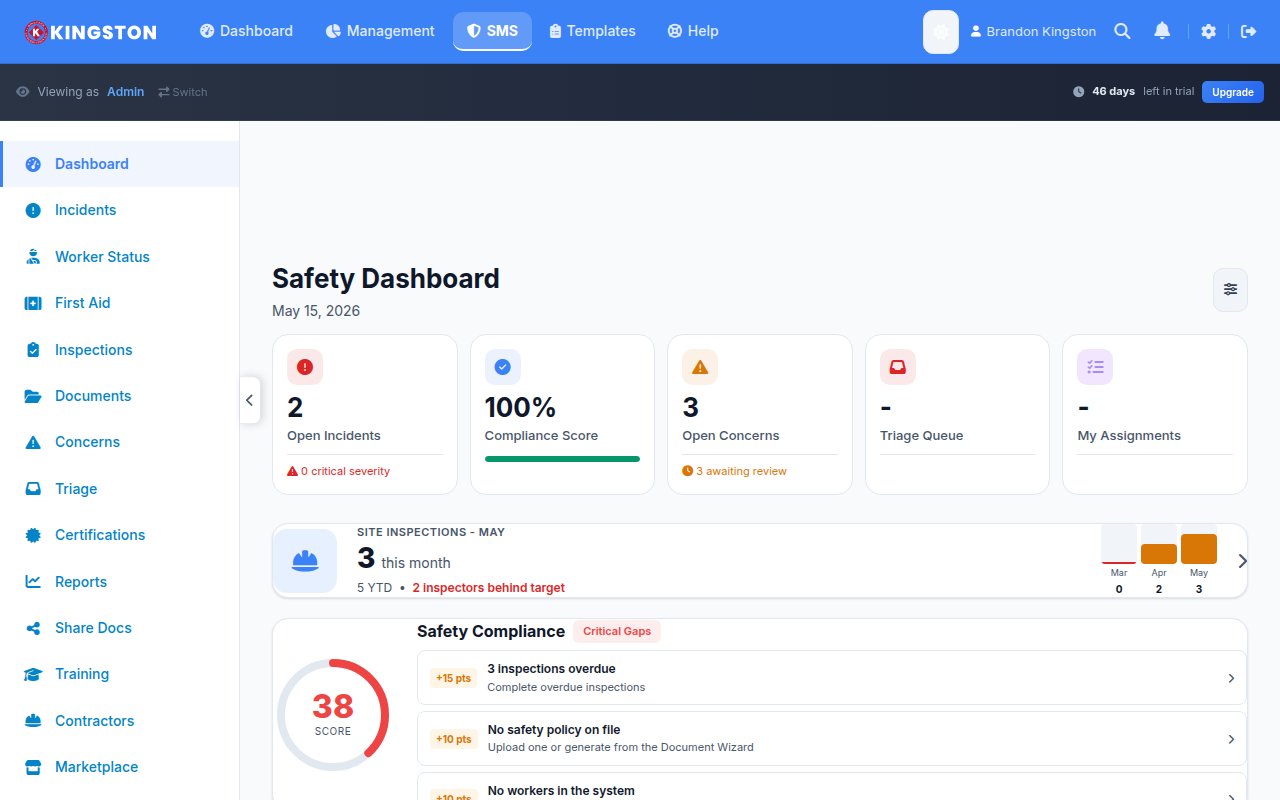
Digital incident reporting systems ensure that every ammonia-related event, from minor odor complaints to significant releases, is documented, investigated and addressed. This documentation is critical for PSM compliance and for identifying patterns that indicate developing system problems.
Training Requirements
All workers who operate, maintain or work near ammonia refrigeration systems must receive initial and refresher training on ammonia hazards, system operation, emergency procedures and PPE requirements. PSM requires that training be documented and that operators demonstrate competency, not just attendance. Refresher training must be provided at least every three years under PSM, though annual refreshers are considered best practice.
Contract workers who perform maintenance on ammonia systems must receive the same hazard information and emergency procedure training as facility employees. The host facility is responsible for ensuring this training occurs and is documented.
Personal Protective Equipment for Ammonia
Workers who may be exposed to ammonia require access to appropriate PPE based on their role and the potential exposure level. Routine operators should have access to emergency escape respirators stored in easily accessible locations throughout the ammonia equipment areas. Maintenance workers performing tasks that may release small amounts of ammonia should wear full-face respirators with ammonia-specific cartridges. Emergency response personnel require SCBA and chemical-resistant suits rated for ammonia exposure.
Eye protection is particularly important when working with ammonia. Ammonia has a strong affinity for moisture and will attack the eyes rapidly upon contact. Chemical splash goggles or full-face respirators with integrated eye protection are required for any task that may involve ammonia exposure. Emergency eyewash stations must be located within 10 seconds of travel from any area where ammonia contact is possible and these stations must be tested weekly to ensure they are functional and deliver clean water at the correct flow rate.
Strengthen Your Ammonia Safety Program
Managing ammonia refrigeration safety requires detailed inspections, comprehensive documentation and rapid incident response. Make Safety Easy provides digital tools for PSM compliance, automated inspection scheduling and streamlined incident reporting that keep your ammonia operations safe and audit-ready.
Request a demo to see how our platform simplifies ammonia refrigeration safety management, or explore our pricing to find the plan that fits your facility.
Ready to simplify your safety program?
Make Safety Easy helps teams run toolbox talks, inspections, incident reports and more - all from one platform.
Start Your Free TrialNo credit card required. 14-day free trial.