The job hazard analysis was done last week. The site orientation was done last month. But today the ground is wet, there is a crane working overhead that was not there yesterday, and the excavation next to your work area is 2 feet deeper than it was Friday.
A Field Level Hazard Assessment (FLHA) catches what changes between planning and execution. It is a daily check of actual conditions at the actual work location, done by the actual crew doing the work.
What Is an FLHA?
An FLHA is a short, daily hazard assessment completed by the crew at the work site before starting the day's tasks. It answers one question: "What is different or dangerous about today's conditions that could hurt someone?"
Free Download: 5 Safe Work Procedures
Choose from 112 professionally written SWPs. No credit card required.
Get Free SWPsFLHA stands for Field Level Hazard Assessment. Other names include:
- Field Level Risk Assessment (FLRA)
- Take 5 (Australia/New Zealand)
- SLAM (Stop, Look, Assess, Manage)
- Point of Work Risk Assessment (POWRA)
- Job Safety Analysis (JSA)
FLHA vs. JHA: What Is the Difference?
| JHA (Job Hazard Analysis) | FLHA (Field Level Hazard Assessment) | |
|---|---|---|
| When | Before a new or non-routine task | Every day, before starting work |
| Scope | The entire job start to finish | Today's specific conditions |
| Who | Supervisor creates, crew reviews | Crew completes together on site |
| Duration | 30-60 minutes | 5-10 minutes |
| Reuse | Kept on file for recurring tasks | New one every day |
| Focus | Hazards inherent to the job | Environmental and situational hazards today |
The JHA is the playbook. The FLHA is the pre-game walk of the field.
What Goes on an FLHA?
1. Task Information
- Date, time, location, crew members present
- Task description (what are you doing today?)
- Related JHA or safe work procedure reference
2. Personal Readiness
- Are you physically fit to work today? (injury, illness, fatigue, medication)
- Are you mentally focused? (distraction, stress)
- Do you have the right PPE?
- Do you have the training and qualifications for the work?
A worker who got 3 hours of sleep, is taking cold medication, and is distracted will miss hazards and react slowly. The FLHA gives that worker a structured moment to say "I need to talk to my supervisor."
3. Environmental Conditions
- Weather: temperature, wind, rain, snow, ice, visibility
- Ground conditions: wet, muddy, uneven, sloped, frozen
- Lighting: adequate for the task?
- Noise: can you hear warnings and alarms?
- Air quality: dust, fumes, vapors
4. Work Area Hazards
- Overhead hazards: crane operations, falling objects
- Underground hazards: buried utilities, excavations
- Adjacent work: other crews, mobile equipment
- Traffic: vehicle and pedestrian routes
- Barricades and signage: in place?
- Housekeeping: trip hazards, debris
- Emergency access: can emergency vehicles reach you?
5. Equipment and Materials
- Equipment inspected and safe?
- Tools appropriate and in good condition?
- Hazardous materials: SDS available, controls in place?
- Energy sources identified? (electrical, hydraulic, pneumatic, gravity)
6. Identified Hazards and Controls
For each hazard: what is it, what could happen, what control will be applied, and who is responsible.
7. Sign-Off
Every crew member signs to confirm they participated, understand the hazards, agree with the controls, and know they can stop work if conditions change.
How to Lead an FLHA That Crews Take Seriously
Bad FLHA: Foreman fills out the form at the truck while the crew unloads tools. Checks all boxes. Passes it around for signatures. Nobody reads it. Time: 2 minutes. Value: zero.
Good FLHA: Crew stands at the work location. Foreman walks through each category. Workers contribute observations. Hazards are discussed out loud. Everyone signs because they actually know what they are signing. Time: 5-10 minutes. Value: someone might go home safe today because of this conversation.
Tips for Effective FLHAs
Do it at the work location, not at the trailer. The hazards are at the work site, not in the parking lot.
Make it a conversation, not a clipboard exercise. Ask the crew: "What could hurt us today?"
Rotate who leads it. Different crew members spot different hazards.
Update it when conditions change. Rain at lunch changes the hazard profile. Take 2 minutes to reassess.
Act on what you find. If the crew identifies a hazard and nothing is done about it, they will stop identifying hazards.
Common FLHA Mistakes
1. Pencil-whipping. Checking every box "satisfactory" without looking creates a false record. If someone gets hurt, that signed FLHA works against you.
2. Doing it once for the whole day. Conditions change. Reassess when the situation changes.
3. Only the foreman fills it out. The crew sees hazards the foreman misses.
4. No corrective action. Writing "wet ground" as a hazard and doing nothing defeats the purpose.
5. Filing it and forgetting it. FLHAs contain trending data. Review them periodically for patterns.
Go Digital with Your FLHAs
Paper FLHAs get wet, torn, lost, and thrown in a box. They cannot be searched, trended, or analyzed.
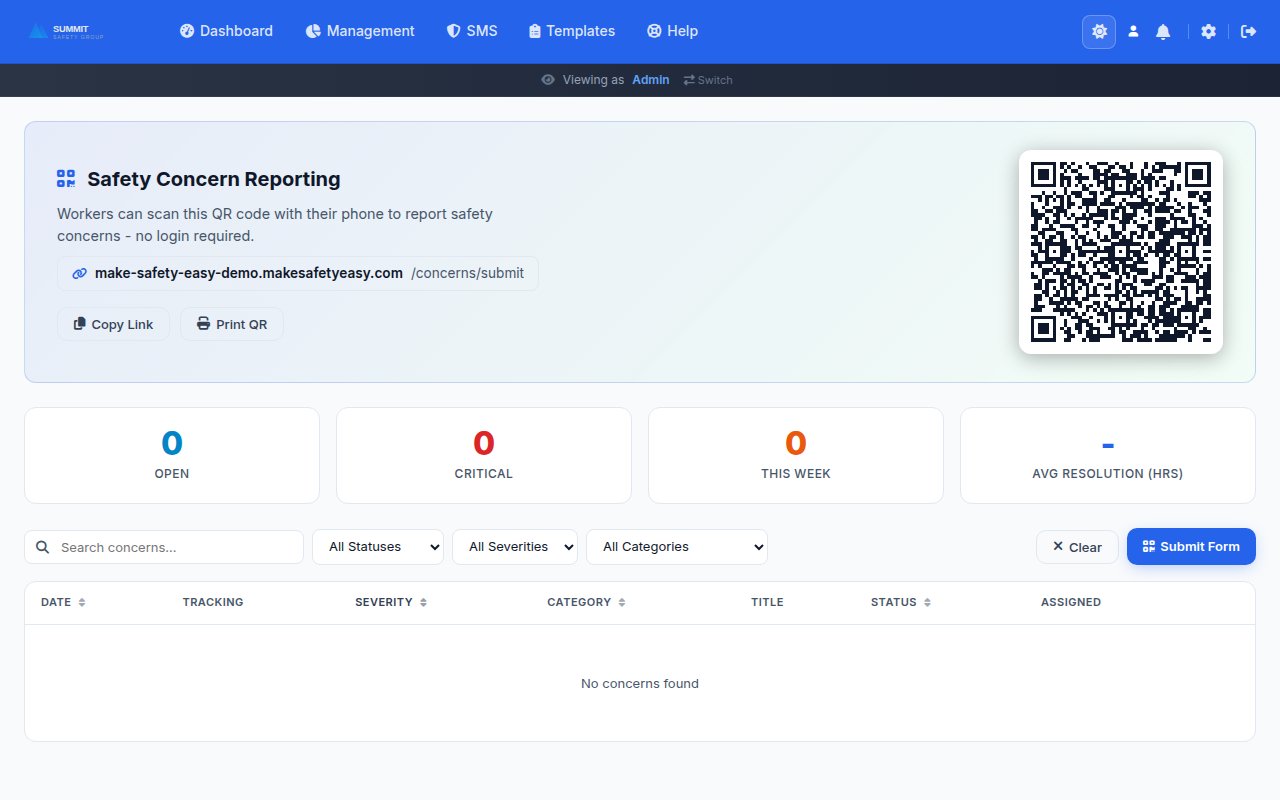
Make Safety Easy turns FLHAs into a 5-minute digital process:
- Crews complete the FLHA on their phone at the work location
- GPS confirms the assessment was done at the actual work site
- Photo attachments document specific conditions
- Digital sign-off with timestamps proves who participated
- Management dashboards show FLHA completion rates and trending hazards
- Historical records searchable by date, crew, location, and hazard type
Your crews spend 5 minutes on an FLHA that actually prevents injuries. Your safety team gets visibility and trend data. Your auditors get instant access to any FLHA from any date.
Go Digital with Make Safety Easy
Replace paper checklists, inspection logs and compliance binders with one platform your whole team can use - from the field to the office. Start tracking inspections, incidents and training in minutes.
Free Safety Templates
While you evaluate software, grab our free professionally designed templates:
View all 10 free templates →