Mental Health in the Workplace: Safety Implications and Employer Obligations
Mental health workplace safety refers to the intersection of psychological well-being and occupational safety -the recognition that a worker's mental state directly affects their ability to work safely and that workplace conditions directly affect their mental health. This is not a soft topic. Depression, anxiety, burnout, post-traumatic stress and chronic psychological distress measurably increase the risk of workplace injuries, impair hazard recognition and decision-making and drive the absenteeism and presenteeism that cost North American employers hundreds of billions of dollars annually.
For decades, workplace safety focused almost exclusively on physical hazards -machines, chemicals, heights, noise. That era is ending. Regulators, courts and standards bodies across North America now recognize psychological hazards as occupational hazards. Employers who ignore workplace mental health are not just failing their employees -they are accumulating legal, financial and operational risk.
The Safety Case for Workplace Mental Health
The connection between mental health and physical safety is not theoretical. It is documented, measurable and consequential.
Free Download: 5 Safe Work Procedures
Choose from 112 professionally written SWPs. No credit card required.
Get Free SWPsHow Psychological Distress Increases Injury Risk
- Impaired concentration: Workers experiencing depression, anxiety, or severe stress exhibit reduced attention, slower reaction times and impaired executive function. In safety-critical tasks -operating machinery, driving vehicles, working at heights -these cognitive deficits translate directly into increased incident probability.
- Fatigue: Mental health conditions are among the leading causes of chronic fatigue and sleep disruption. A fatigued worker's cognitive performance has been compared to that of an intoxicated worker -studies show that 17 hours without sleep produces impairment equivalent to a blood alcohol concentration of 0.05%.
- Risk perception changes: Workers under severe psychological distress may underestimate hazards, take shortcuts, or engage in risk-taking behaviors they would normally avoid. This is not carelessness -it is a symptom of a condition that alters judgment.
- Medication side effects: Psychotropic medications -antidepressants, anti-anxiety medications, sleep aids -can cause drowsiness, dizziness, or impaired coordination. Workers on these medications may be at increased risk during safety-sensitive tasks, particularly during dosage adjustments.
- Social withdrawal: Workers experiencing mental health challenges may withdraw from team communication, avoid asking questions, or fail to report hazards and near misses. In safety-critical environments that depend on team communication, this withdrawal is a systemic risk.
The Numbers
| Finding | Source |
|---|---|
| Workers with depression have a 1.5x to 2x higher workplace injury rate | Journal of Occupational and Environmental Medicine, multiple studies |
| Mental health conditions account for 30%+ of short-term disability claims in Canada | Mental Health Commission of Canada |
| Psychological distress costs U.S. employers an estimated $200+ billion annually in lost productivity | American Psychiatric Association / various estimates |
| Presenteeism (working while unwell) costs 2-3x more than absenteeism | Harvard Business Review, citing multiple productivity studies |
These are not abstract statistics. They represent real workers, real injuries and real organizational costs that could be mitigated through intentional intervention.
Understanding Psychological Safety in the Workplace
Psychological safety workplace conditions refer to an environment where workers feel safe to speak up, report concerns, admit mistakes and ask for help without fear of punishment, ridicule, or retaliation. The concept, popularized by Harvard professor Amy Edmondson's research, is foundational to both team performance and occupational safety.
Why Psychological Safety Matters for Physical Safety
Consider this scenario: A worker notices a frayed cable on a piece of equipment. In a psychologically safe workplace, they report it immediately, the cable is replaced and an incident is prevented. In a psychologically unsafe workplace -one where workers fear being seen as troublemakers, or where reporting is met with dismissiveness -that worker stays silent. The cable fails. Someone gets hurt.
Psychological safety is the mechanism through which safety culture operates. Without it:
- Near misses go unreported
- Workers don't ask clarifying questions about procedures they don't understand
- New employees don't raise concerns about training gaps
- Supervisors don't hear about equipment problems until something breaks
- Incident investigations produce sanitized answers instead of root causes
Every "human error" investigation should ask: Did this worker feel safe enough to speak up before the incident occurred? If the answer is no, the root cause isn't human error -it's organizational culture.
Workplace Mental Health Risk Factors
Workplace conditions can cause, trigger, or worsen mental health problems. Employers have a duty to identify and control these psychosocial hazards just as they would physical hazards.
Organizational Risk Factors
- Excessive workload: Chronic overwork -sustained long hours, understaffing, unrealistic deadlines -is one of the strongest predictors of burnout and anxiety.
- Low job control: Workers who have little autonomy over how they perform their tasks, their schedules, or their work methods experience higher rates of stress-related illness.
- Poor management practices: Inconsistent expectations, micromanagement, favoritism and lack of recognition erode psychological well-being over time.
- Workplace bullying and harassment: Persistent, targeted mistreatment -whether from supervisors or peers -causes measurable psychological harm and is a recognized occupational hazard in most Canadian jurisdictions.
- Job insecurity: Chronic uncertainty about employment status, restructuring, or layoffs creates sustained anxiety that affects both mental health and safety performance.
- Traumatic exposure: First responders, healthcare workers and employees who witness or respond to traumatic events (workplace injuries, fatalities, violence) face elevated risk of PTSD and related conditions.
- Shift work and irregular schedules: Disrupted circadian rhythms from rotating shifts, overnight work, or unpredictable scheduling contribute to sleep disorders, depression and cognitive impairment.
Individual Risk Factors
While employers cannot control all factors affecting a worker's mental health, they can create conditions that either amplify or mitigate individual vulnerabilities:
- Pre-existing mental health conditions
- Substance use disorders (often co-occurring with mental health conditions)
- Major life stressors (bereavement, divorce, financial crisis)
- Social isolation -particularly relevant for remote workers and lone workers
Employer Legal Obligations
The legal landscape for workplace mental health is evolving rapidly. Employers who assume they have no legal duty to address psychological hazards are increasingly wrong.
United States
- OSHA General Duty Clause: While OSHA has no specific mental health standard, the General Duty Clause requires employers to provide a workplace free from recognized hazards. OSHA has cited employers for workplace violence hazards and has signaled increasing attention to psychosocial risk factors.
- Americans with Disabilities Act (ADA): Mental health conditions that substantially limit major life activities are protected disabilities. Employers must provide reasonable accommodations -modified schedules, reduced workload during treatment, leave for appointments -unless doing so creates undue hardship.
- FMLA: The Family and Medical Leave Act provides up to 12 weeks of unpaid, job-protected leave for serious health conditions, including mental health conditions that render the employee unable to perform their job.
- State-level protections: Several states have enacted specific workplace violence prevention standards (California, New York), anti-bullying legislation, or expanded workers' compensation coverage for psychological injuries (particularly for first responders).
Canada
Canada is significantly ahead of the U.S. in formalizing employer obligations around psychological health:
- CSA Z1003/BNQ 9700-803: The National Standard of Canada for Psychological Health and Safety in the Workplace, published in 2013 and updated, provides a comprehensive framework for identifying, assessing and controlling psychological hazards. While voluntary at the national level, it is increasingly referenced in provincial regulations and court decisions.
- Provincial OHS legislation: Several provinces have explicitly included psychological health in their OHS frameworks. For example, Bill C-65 (federal) expanded workplace harassment and violence prevention requirements to include psychological harassment. Ontario's OHSA includes workplace harassment protections and British Columbia's WorkSafeBC accepts mental disorder claims under specific criteria.
- Human rights legislation: Mental health conditions are protected grounds under federal and provincial human rights codes. The duty to accommodate applies fully to mental health disabilities.
- Workers' compensation: Most provinces now accept workers' compensation claims for psychological injuries caused by workplace conditions, including chronic workplace stress, bullying and traumatic events. This is a significant shift from the historical limitation to physical injuries only.
Practical Strategies for Employers
Legal compliance is the floor, not the ceiling. Employers who genuinely want to protect their workers' mental health -and capture the safety, productivity and retention benefits of doing so -must take proactive steps.
1. Assess Psychosocial Hazards
You cannot manage what you haven't identified. Conduct a psychosocial hazard assessment just as you would a physical hazard assessment:
- Use validated tools like the Copenhagen Psychosocial Questionnaire (COPSOQ) or the Guarding Minds at Work survey (free, developed by the Mental Health Commission of Canada).
- Review absenteeism data, turnover data, disability claims and employee complaints for patterns that suggest psychosocial issues.
- Include psychosocial factors in your regular monthly safety reviews -don't silo mental health data away from your core safety metrics.
2. Train Leaders and Supervisors
Frontline supervisors have the greatest daily influence on workers' psychological experience. Training them is the highest-leverage intervention:
- Mental health literacy: Help supervisors recognize signs of psychological distress -changes in behavior, performance, attendance, or social engagement -without requiring them to diagnose conditions.
- Supportive conversation skills: Train supervisors to have empathetic, non-judgmental conversations when they notice a worker struggling. The goal is not therapy -it's connection and referral.
- Workload management: Equip supervisors with skills to identify unsustainable workloads and escalate resource needs before workers burn out.
- Anti-harassment enforcement: Supervisors must be trained to recognize, address and report bullying and harassment promptly and consistently.
3. Build Peer Support and Awareness
Supervisor training alone doesn't change culture. Workers also need tools and permission to support each other:
- Incorporate workplace mental health topics into your toolbox talk program. Short, regular conversations normalize the topic and remind workers that support is available.
- Train voluntary peer supporters or mental health first aiders who can serve as approachable points of contact for workers who may be reluctant to talk to a supervisor.
- Mark awareness dates (Mental Health Awareness Month, World Mental Health Day) with meaningful activities -not just posters, but facilitated discussions, resource fairs, or guest speakers.
4. Provide Accessible Resources
- Employee Assistance Programs (EAPs): Ensure your EAP is well-publicized, easy to access and genuinely confidential. Many EAPs are underutilized because workers don't know they exist, don't trust the confidentiality, or find the intake process burdensome.
- Extended benefits: Review your benefits plan for adequate mental health coverage -sufficient sessions with psychologists and counselors, coverage for psychiatric medications and access to specialized services like trauma therapy.
- Crisis resources: Post crisis hotline numbers (988 Suicide & Crisis Lifeline in the U.S., Talk Suicide Canada at 988 in Canada) in break rooms, restrooms and other private spaces. Make sure workers know these resources exist.
5. Address Traumatic Events
When a serious workplace incident occurs -a fatality, a severe injury, a violent event -the psychological impact on witnesses and coworkers can be profound and lasting:
- Activate psychological support within 24-48 hours of a traumatic event. This may include Critical Incident Stress Management (CISM), peer support, or access to trauma-informed counselors.
- Follow up at intervals (1 week, 1 month, 3 months). Delayed-onset PTSD symptoms are common and often overlooked.
- Document the psychological response as part of your incident investigation and reporting process. Include it in corrective actions and lessons learned.
6. Design Work to Protect Mental Health
The most effective interventions change the work itself, not just the worker's ability to cope with it:
- Workload balancing: Staff adequately. Redistribute tasks when someone is absent rather than loading their work onto already-stretched colleagues.
- Schedule predictability: Provide work schedules as far in advance as possible. Minimize last-minute changes. Allow input on scheduling where feasible.
- Autonomy: Give workers meaningful control over how they accomplish their tasks. Autonomy is one of the strongest protective factors against workplace stress.
- Recognition: Acknowledge effort and achievement regularly. Recognition doesn't require formal programs -a genuine, specific acknowledgment from a supervisor has measurable impact on worker well-being.
- Clear expectations: Ambiguity about roles, responsibilities and performance standards is a chronic stressor. Define expectations clearly and revisit them when roles change.
Measuring Progress
How do you know if your mental health initiatives are working? Track both leading and lagging indicators:
| Leading Indicators | Lagging Indicators |
|---|---|
| Employee engagement survey scores (psychosocial factors) | Mental health-related disability claims |
| EAP utilization rates | Absenteeism rates and patterns |
| Training completion rates (mental health literacy) | Turnover rates (particularly in high-stress roles) |
| Psychosocial hazard assessment completion | Workers' compensation costs for psychological injury claims |
| Near-miss and hazard reporting rates (indicator of psychological safety) | Workplace harassment complaints |
The most important metric may be the one hardest to quantify: Do your workers feel safe enough to tell you when they're struggling? If the answer is yes, your program is working. If the answer is no, the data you're collecting is incomplete.
Frequently Asked Questions
Is mental health a workplace safety issue?
Yes. Mental health conditions directly increase the risk of workplace injuries through impaired concentration, fatigue, altered risk perception and reduced team communication. Conversely, workplace conditions -workload, management practices, harassment, traumatic events -directly cause or worsen mental health conditions. Regulators in both the U.S. and Canada increasingly recognize psychological hazards as occupational hazards subject to employer obligations.
Can an employer ask an employee about their mental health?
Employers can and should express concern when they observe changes in a worker's behavior or performance, but they cannot require employees to disclose specific diagnoses. The appropriate approach is to express concern, describe the observed behaviors, offer support and resources (EAP, accommodations), and allow the employee to share as much or as little as they choose. Under the ADA and Canadian human rights legislation, employers must accommodate disclosed mental health conditions to the point of undue hardship.
What is the difference between mental health and psychological safety?
Mental health refers to a person's psychological and emotional well-being -their internal state. Psychological safety refers to the workplace environment -specifically, whether workers feel safe to speak up, take risks and be vulnerable without fear of negative consequences. A psychologically safe workplace supports mental health; a psychologically unsafe one can harm it. Both must be addressed for a comprehensive approach.
Are employers liable for employee burnout?
Increasingly, yes. While U.S. law does not yet have a specific "burnout standard," the World Health Organization's classification of burnout as an occupational phenomenon, combined with expanding workers' compensation acceptance of psychological injury claims (particularly in Canada), means that employer-caused burnout carries growing legal and financial exposure. Proactive workload management is both a moral and a risk management imperative.
Mental health in the workplace is not a wellness perk or a human resources initiative. It is a safety issue with direct, measurable impact on injury rates, productivity and organizational resilience. The employers who recognize this -and act on it with the same rigor they apply to physical hazards -will build workplaces where people are genuinely safe, in every sense of the word.
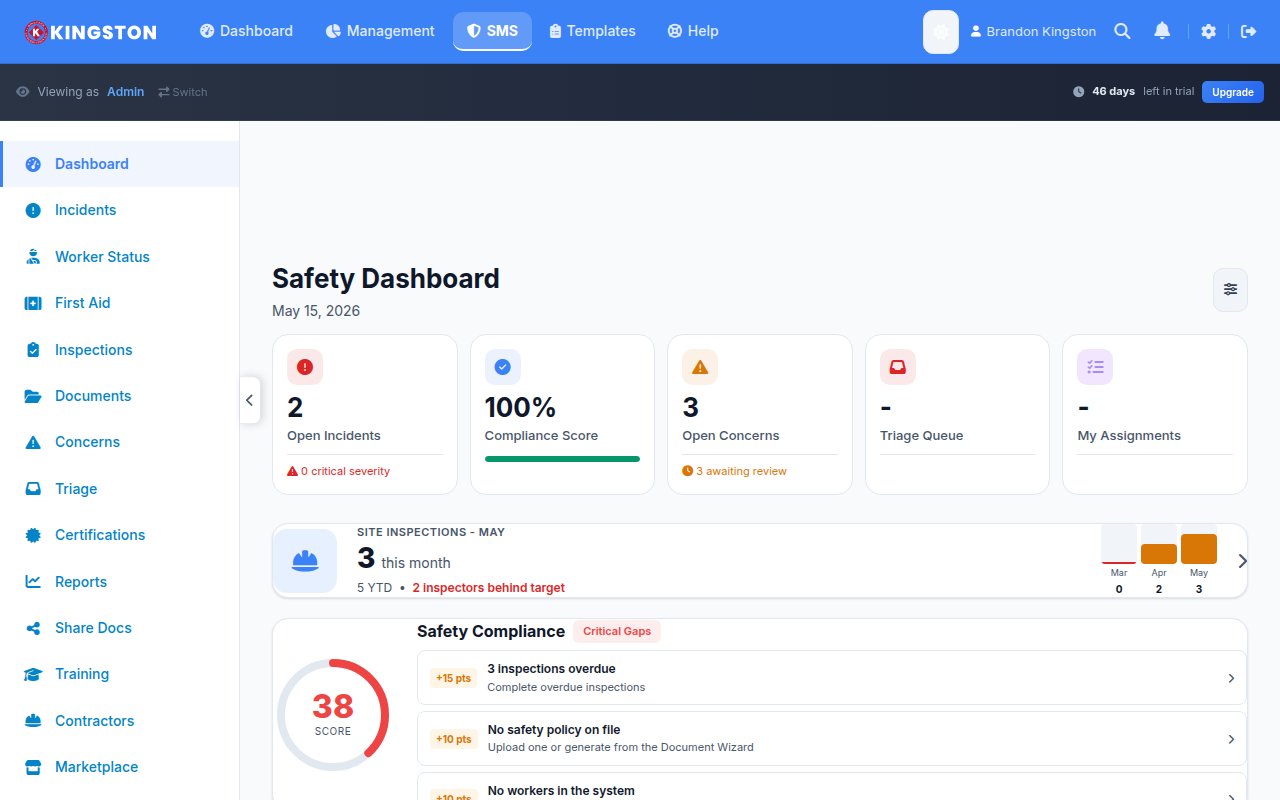
Ready to integrate mental health into your safety management program? Book a demo of Make Safety Easy to see how our toolbox talks, incident reporting and monthly review tools help you build a comprehensive safety program that addresses both physical and psychological hazards. Explore pricing to get started today.
Ready to simplify your safety program?
Make Safety Easy helps teams run toolbox talks, inspections, incident reports and more - all from one platform.
Start Your Free TrialNo credit card required. 14-day free trial.