Pulp and paper mill safety means controlling the hazards of chemical pulping and high-speed paper machines: toxic gases such as hydrogen sulfide and chlorine dioxide, nip points, confined spaces like digesters, steam, falls and noise. OSHA's general industry standards apply, including the mill-specific 29 CFR 1910.261.
Key takeaways
- Paper machines need equipment-specific lockout procedures for their many energy sources (1910.147).
- Digesters, tanks and chests are often permit-required confined spaces (1910.146).
- Put fixed gas detection in the bleach plant, recovery area and chemical storage.
- Noise averaging 85 dBA over 8 hours triggers a hearing conservation program (1910.95).
Pulp and paper mill safety is the comprehensive approach to controlling the serious hazards inherent in converting raw wood fiber into pulp, paper, paperboard and tissue products - including exposure to toxic chemicals like chlorine dioxide and sulfur compounds, entanglement in massive rotating machinery, confined space entry in digesters and tanks, thermal burns from steam systems and fall hazards across multi-story mill structures. The pulp and paper industry employs hundreds of thousands of workers across North America and the combination of chemical processing, heavy machinery and continuous operations creates a risk profile that demands structured, disciplined safety management.
This guide covers the primary hazards, regulatory framework and management practices that define an effective pulp and paper mill safety program.
What are the main hazards in a pulp and paper mill?
A modern pulp and paper mill is essentially a chemical processing plant combined with a heavy manufacturing facility. The pulping process uses aggressive chemicals and high temperatures to separate cellulose fibers from wood. The papermaking process involves massive machines running at high speeds with heavy rolls, tensioned felts and steam-heated dryers. Each stage of production presents distinct safety challenges.
Free Download: 5 Safe Work Procedures
Choose from 112 professionally written SWPs. No credit card required.
Get Free SWPsChemical Exposure
Chemical hazards vary by pulping process. Kraft (sulfate) mills use sodium hydroxide and sodium sulfide in the cooking process, generating hydrogen sulfide, methyl mercaptan and other reduced sulfur compounds as byproducts. These gases are toxic and can cause rapid incapacitation at high concentrations. Hydrogen sulfide is particularly dangerous because it paralyzes the sense of smell at concentrations above approximately 100 ppm - removing the warning that workers rely on at lower levels.
Sulfite mills use sulfur dioxide-based cooking liquors. Bleach plants use chlorine dioxide, sodium hypochlorite, hydrogen peroxide and other oxidizing chemicals. Each of these substances requires specific engineering controls, monitoring procedures and emergency response protocols.
Chemical recovery systems - including recovery boilers, lime kilns, causticizing plants and evaporators - process concentrated black liquor and other hazardous streams at elevated temperatures and pressures. Recovery boiler explosions, though rare, are among the most catastrophic events in the pulp and paper industry.
Machinery Hazards
Paper machines are among the largest and most hazardous machines in any industry. A modern paper machine can be hundreds of feet long and run at very high speeds. Workers perform threading, cleaning, lubrication and maintenance tasks in close proximity to moving webs, rotating rolls, nip points and tensioned fabrics.
Nip points between rolls are a leading source of severe machinery injuries in paper mills. A worker's hand, arm or clothing caught in a nip point can result in amputation or fatality within fractions of a second. Nip point guards, emergency stop devices and restricted access zones are essential controls.
Chippers, refiners, conveyors, winders and converting equipment present additional entanglement, struck-by and caught-between hazards throughout the mill. Comprehensive machine guarding per OSHA's standards (29 CFR 1910.212) and rigorous lockout/tagout procedures (29 CFR 1910.147) are fundamental requirements.
Confined Spaces
Pulp and paper mills contain numerous permit-required confined spaces including digesters, blow tanks, chemical storage tanks, chests, white water silos, recovery boiler interiors and sewer systems. These spaces may contain oxygen-deficient atmospheres, toxic gases, engulfment hazards and thermal risks.
Digester entry is particularly hazardous. Residual cooking chemicals, low oxygen levels and extreme heat make these entries high-risk operations that require atmospheric monitoring, ventilation, rescue capability and careful procedural controls.
Thermal and Steam Hazards
High-pressure, high-temperature steam systems are common in pulp and paper mills. Steam leaks, condensate flashing, hot surface contact and pressure vessel failures create burn and scald hazards throughout the facility.
Insulate all accessible hot surfaces. Tag and repair steam leaks promptly - a small steam leak at high pressure can cut through flesh. Maintain pressure relief devices and inspect pressure vessels according to applicable codes (ASME, National Board).
Fall Hazards
Paper mills are multi-story facilities with extensive catwalks, platforms, stairs and ladders. Workers access equipment at various elevations for operation, maintenance and inspection tasks. Wet, slippery surfaces from water, chemicals and paper fibers increase fall risk on walking and working surfaces.
Ensure guardrails are in place on all elevated platforms, floor openings are covered or guarded and slip-resistant surfaces are maintained in wet areas. Personal fall arrest systems are required for tasks that take workers outside the protection of standard guardrail systems.
Noise Exposure
Paper mills are loud environments. Chippers, refiners, paper machines, vacuum systems and converting equipment generate noise levels that frequently exceed OSHA's permissible exposure limit of 90 dBA. The continuous nature of the exposure - mills operate 24/7 in many cases - increases the cumulative risk of hearing loss.
Engineering controls including enclosures, vibration damping and equipment maintenance reduce noise at the source. Where engineering controls are insufficient, implement a hearing conservation program with noise monitoring, hearing protection, annual audiometric testing and worker training.
Which OSHA standards apply to pulp and paper mills?
Pulp and paper mills fall under OSHA's general industry standards (29 CFR 1910). The Pulp, Paper and Paperboard Mills standard (29 CFR 1910.261) provides industry-specific requirements, though it is an older standard and must be supplemented with current general industry standards for comprehensive compliance.
Key regulatory requirements include:
- 29 CFR 1910.261: Pulp, paper and paperboard mills - industry-specific safety requirements
- 29 CFR 1910.119: Process safety management - applicable to facilities with threshold quantities of highly hazardous chemicals
- 29 CFR 1910.147: Lockout/tagout - critical for the extensive machinery in mill environments
- 29 CFR 1910.146: Permit-required confined spaces - covering digesters, tanks and vessels
- 29 CFR 1910.134: Respiratory protection - for chemical vapor and dust exposure
- 29 CFR 1910.1200: Hazard communication - SDS management for the many chemicals used in pulping and bleaching
- EPA regulations: Clean Air Act, Clean Water Act and RCRA requirements for emissions, effluent and waste management
In Canada, pulp and paper mills fall under provincial OHS legislation with additional requirements from Environment and Climate Change Canada for air and water quality.
Building a Pulp and Paper Mill Safety Program
Lockout/Tagout Excellence
Lockout/tagout (LOTO) is arguably the most critical safety program in any pulp and paper mill. The size, complexity and number of energy sources on paper machines and associated equipment make LOTO procedures extraordinarily important - and extraordinarily complex.
A single paper machine may have dozens of energy isolation points covering electrical, mechanical, hydraulic, pneumatic, steam, chemical and gravity energy sources. LOTO procedures must be equipment-specific, verified through try-out and reviewed whenever equipment modifications change the energy isolation requirements.
Annual LOTO procedure reviews and periodic audits of LOTO practices are required by the standard. Digital procedure management ensures that workers always access the current version of each procedure and that audit findings are tracked to resolution.
Inspection Programs
Comprehensive inspection programs should cover machine guarding, fall protection systems, chemical containment, steam system integrity, electrical systems, fire protection equipment and personal protective equipment.
Schedule inspections at frequencies that match the risk level and regulatory requirements. High-risk areas like chemical storage, confined space access points and high-traffic machinery areas may require daily or shift-level inspections. Digital inspection tools ensure consistent checklist completion, photo documentation and timely corrective action routing.
Chemical Management
Maintain a comprehensive chemical inventory with current SDS for every substance on site. Ensure chemical storage areas meet compatibility requirements - oxidizers separated from fuels, acids separated from bases, corrosives in secondary containment.
Install and maintain gas detection systems in areas where toxic chemical releases could occur, including the recovery area, bleach plant, chlorine dioxide generator and chemical storage areas. Fixed gas detectors should alarm at action levels that provide time for evacuation before concentrations reach immediately dangerous levels.
Incident Reporting and Investigation
Every injury, chemical exposure, near-miss and equipment failure must be reported through a structured incident reporting system. In a 24/7 operating environment, incidents on night shifts and weekends are common - and these are precisely the situations where reporting is most likely to be delayed or incomplete without a robust system.
Mobile incident reporting allows any worker to submit a report from anywhere in the mill immediately after an event. Automatic notifications ensure that supervisors, safety personnel and management are informed regardless of when the incident occurs.
Root cause investigation should drive corrective actions. Track corrective action completion and verify effectiveness. Share lessons learned across shifts and departments - an incident on the paper machine has implications for the stock preparation area and a chemical release in the bleach plant has lessons for the recovery area.
Emergency Response
Pulp and paper mills require emergency response plans that address chemical releases (chlorine dioxide, sulfur dioxide, hydrogen sulfide), fires (including recovery boiler and chip pile fires), steam system failures, structural collapses and medical emergencies.
Maintain trained emergency response teams on each operating shift. Equip teams with self-contained breathing apparatus (SCBA), chemical-specific response equipment and rescue gear. Conduct drills that simulate realistic emergency scenarios, including night-shift and weekend scenarios when staffing levels are reduced.
Contractor Safety
Mill shutdowns for maintenance and capital projects bring hundreds of contractors into the facility for concentrated periods of high-risk work. Contractors may be unfamiliar with mill-specific hazards, LOTO procedures and chemical exposure risks.
Require contractor safety orientations that cover mill-specific hazards, emergency procedures, LOTO requirements and reporting obligations. Monitor contractor safety performance and address deficiencies immediately. Include contractor incidents in your facility safety metrics.
Safety Performance Metrics
Track these key indicators for your pulp and paper mill safety program:
- Total Recordable Incident Rate (TRIR): Industry benchmark for injury frequency
- Lost Time Incident Rate (LTIR): Measure of injury severity
- LOTO compliance audit score: Percentage of LOTO procedures performed correctly during audits
- Inspection completion rate: Percentage of scheduled inspections completed on time
- Chemical exposure incidents: Number of unplanned chemical exposures or releases
- Near-miss reporting rate: Leading indicator of reporting culture health
Review metrics monthly with mill management and share trends with all employees. Celebrate improvements and investigate deterioration in any metric.
Modernize Your Mill Safety Program
Pulp and paper mills generate vast amounts of safety data across complex, continuous operations. Paper-based systems and disconnected spreadsheets cannot manage the volume and urgency of safety information in a modern mill environment.
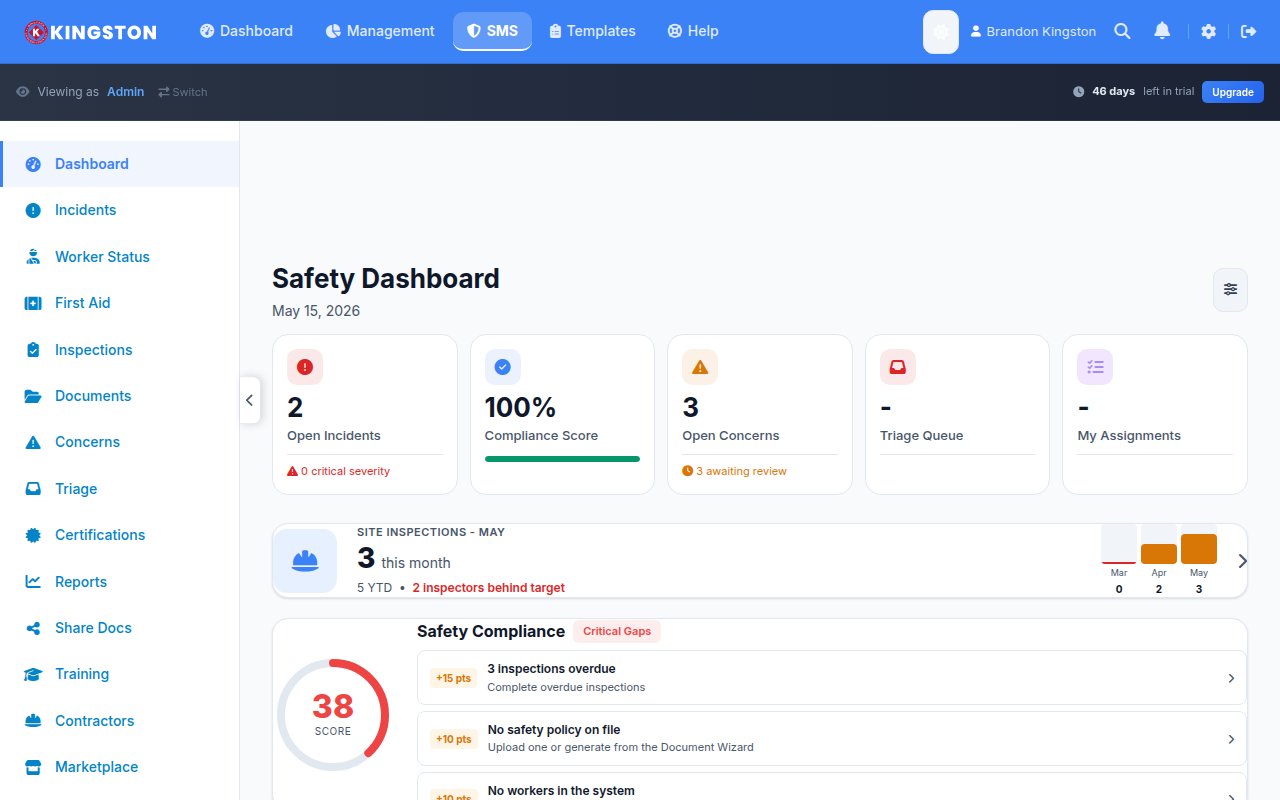
Make Safety Easy provides pulp and paper operations with digital tools for equipment inspections, incident reporting and compliance documentation - accessible on every shift, from the paper machine floor to the recovery area.
Run a safer mill with smarter tools. Book a demo to see how Make Safety Easy supports pulp and paper mill safety management. Or explore our pricing plans to find the right fit for your operation.
Ready to simplify your safety program?
Make Safety Easy helps teams run toolbox talks, inspections, incident reports and more - all from one platform.
Start Your Free TrialNo credit card required. 14-day free trial.
Frequently asked questions
Which OSHA standard covers pulp and paper mills?
29 CFR 1910.261, together with the general industry standards such as lockout, confined spaces and hazard communication.
Does process safety management apply to pulp and paper mills?
Where a mill has a highly hazardous chemical above its threshold quantity (29 CFR 1910.119).