A WorkSafeBC prevention officer can show up on your site without notice. No appointment. No warning. They walk in, ask for your documentation, and start inspecting.
The average WorkSafeBC penalty is $6,500. Willful violations can run over $725,000. But the real cost isn't the fine — it's the stop-work order that shuts down your project while your client watches.
Most employers don't fail inspections because their sites are unsafe. They fail because they can't prove their sites are safe. The inspection happened, the checklist was completed, the worker was trained — but the paperwork is in a truck, a filing cabinet, or somebody's back pocket.
Free Download: 5 Safe Work Procedures
Choose from 112 professionally written SWPs. No credit card required.
Get Free SWPsHere's exactly what to document, how often, and how to produce it in 10 seconds when the inspector asks.
The Daily Site Inspection Checklist
This is your bread and butter. A competent person should complete this before work begins each day.
General Site Conditions
- [ ] Walking surfaces clear of debris, ice, standing water
- [ ] Adequate lighting in all work areas
- [ ] Emergency exits and routes unobstructed
- [ ] First aid kit stocked and accessible
- [ ] Emergency contact information posted
- [ ] Fire extinguishers accessible and inspection tags current
- [ ] Washroom facilities available and sanitary
Fall Protection
- [ ] Guardrails in place on all open edges above 3 meters (10 feet)
- [ ] Floor openings covered or guarded
- [ ] Ladders inspected and secured
- [ ] Fall arrest equipment available where needed
- [ ] Anchor points identified and rated
Electrical
- [ ] Temporary power cords in good condition (no cuts, fraying, exposed conductors)
- [ ] GFCIs installed on all temporary circuits
- [ ] Panel boards covered and labeled
- [ ] Lockout/tagout procedures posted where applicable
- [ ] No extension cords used as permanent wiring
Housekeeping
- [ ] Materials stored neatly, not blocking aisles or exits
- [ ] Waste containers available and not overflowing
- [ ] Spill kits available near chemical storage
- [ ] Scrap and debris removed from work areas
- [ ] Protruding nails removed or bent over
Scaffolding (if applicable)
- [ ] Erected by a competent person
- [ ] Guardrails on all open sides (top rail, mid rail, toe board)
- [ ] Planking fully decked, no gaps over 1 inch
- [ ] Base plates on stable ground
- [ ] Access ladder properly secured
- [ ] Inspection tag current (green = safe)
Excavations (if applicable)
- [ ] Protective system in place for trenches over 1.5 meters (5 feet)
- [ ] Competent person inspection completed
- [ ] Spoil pile at least 1 meter from edge
- [ ] Means of egress within 7.5 meters (25 feet)
- [ ] Utilities located and marked before digging
- [ ] Atmospheric testing completed for confined spaces
Weekly Inspections
Some items don't need daily attention but should be checked at least weekly.
Equipment and Vehicles
- [ ] Pre-trip inspections completed and documented for all vehicles
- [ ] Fire extinguishers on equipment charged and accessible
- [ ] Backup alarms functioning
- [ ] Seat belts in working condition
- [ ] No fluid leaks on equipment
PPE Inventory
- [ ] Adequate supply of hardhats, safety glasses, gloves, high-vis
- [ ] Replacement PPE available for damaged items
- [ ] Specialized PPE available for specific tasks (respirators, face shields, hearing protection)
Training and Certification
- [ ] All workers have current safety orientation
- [ ] Certifications current for specialized tasks (crane, forklift, first aid)
- [ ] Toolbox talks documented with attendance records
- [ ] New worker orientations completed before work begins
Monthly Inspections
Fire Prevention
- [ ] Fire extinguishers inspected (check pressure gauge, pin, tamper seal)
- [ ] Emergency evacuation plan reviewed and routes clear
- [ ] Hot work areas reviewed for fire hazards
- [ ] Flammable storage compliant with regulations
Emergency Preparedness
- [ ] First aid attendants identified and certified
- [ ] Emergency procedures posted and current
- [ ] Muster points clear and marked
- [ ] Communication systems tested (radios, phones, alarms)
What WorkSafeBC Actually Looks For
Prevention officers aren't trying to catch you. They're checking whether your safety management system works. Here's what they ask for:
Documentation they'll request: 1. Your health and safety program (written) 2. Hazard assessments for current work activities 3. Training records with dates and signatures 4. Inspection records (daily, weekly, monthly) 5. Incident investigation reports 6. First aid records 7. Equipment maintenance logs 8. Toolbox talk records with attendance
The question that trips up most employers: "Can you show me the inspection from last Tuesday?" If the answer involves walking to a truck, opening a binder, and flipping through papers — you've already lost credibility.
The answer that impresses: You pull out your phone, tap three times, and show them a timestamped, GPS-verified inspection record with photos, the inspector's name, and the corrective actions taken. That's the difference between a company that takes safety seriously and one that's just going through the motions.
The Cost of Poor Documentation
Companies don't usually get fined for having unsafe sites. They get fined for having unsafe sites and no evidence that they're doing anything about it.
WorkSafeBC considers these factors when determining penalties:
- Severity: How serious was the hazard?
- History: Is this a repeat violation?
- Due diligence: Did the employer take reasonable steps to prevent the hazard?
- Documentation: Can the employer prove they have a working safety program?
Stop Using Paper. Here's Why.
Paper inspection forms have three problems:
1. They get lost. A clipboard on a jobsite has a half-life of about two weeks before it ends up in a truck, a drawer, or a dumpster.
2. They can't be searched. When the inspector asks for "the scaffolding inspection from March 12th," you need it in seconds, not hours.
3. They can be faked. Paper forms can be filled out after the fact. Digital records with timestamps and GPS can't.
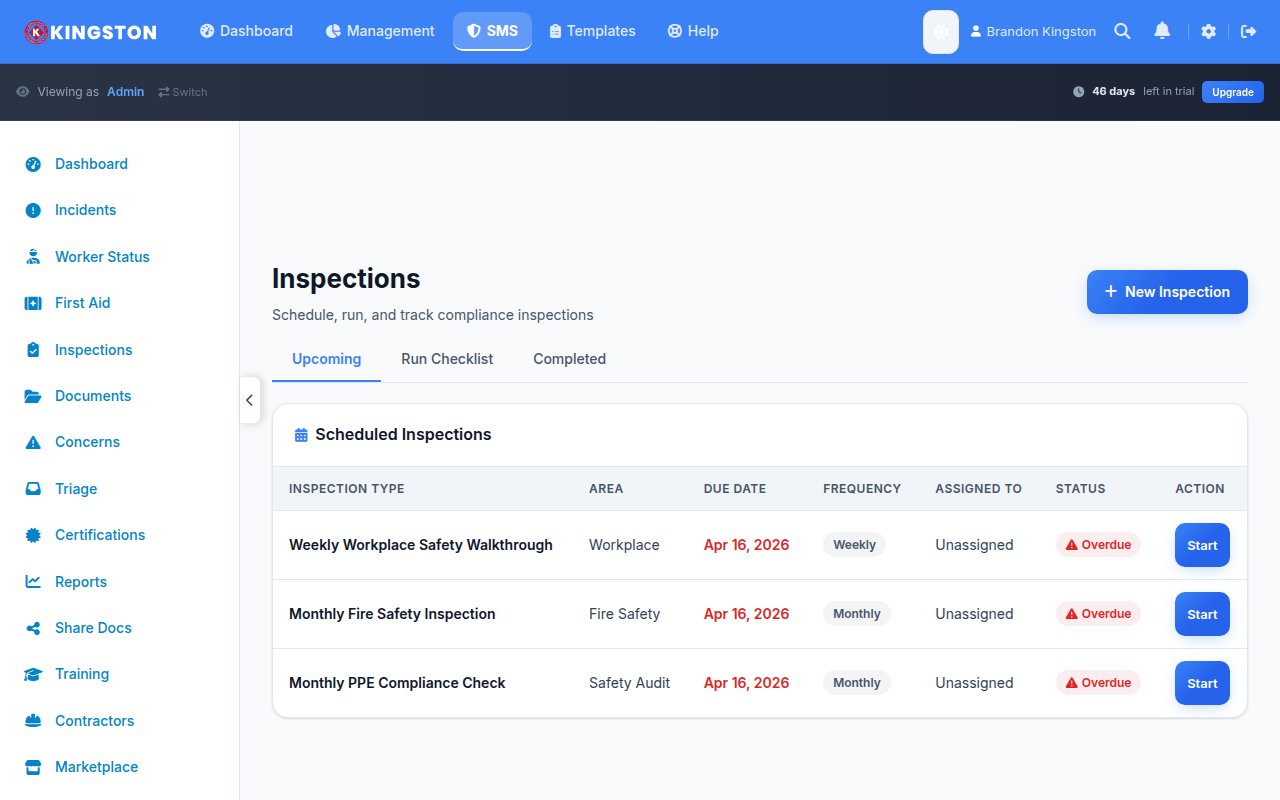
Make Safety Easy replaces your paper checklists with digital inspections that:
- Auto-save with timestamps and location data
- Can be pulled up instantly by date, type, or inspector
- Include photo evidence attached to specific checklist items
- Generate audit-ready PDF reports with one click
- Track compliance across all your sites and crews
Related Resources
Go Digital with Make Safety Easy
Replace paper checklists with one platform your whole team can use.