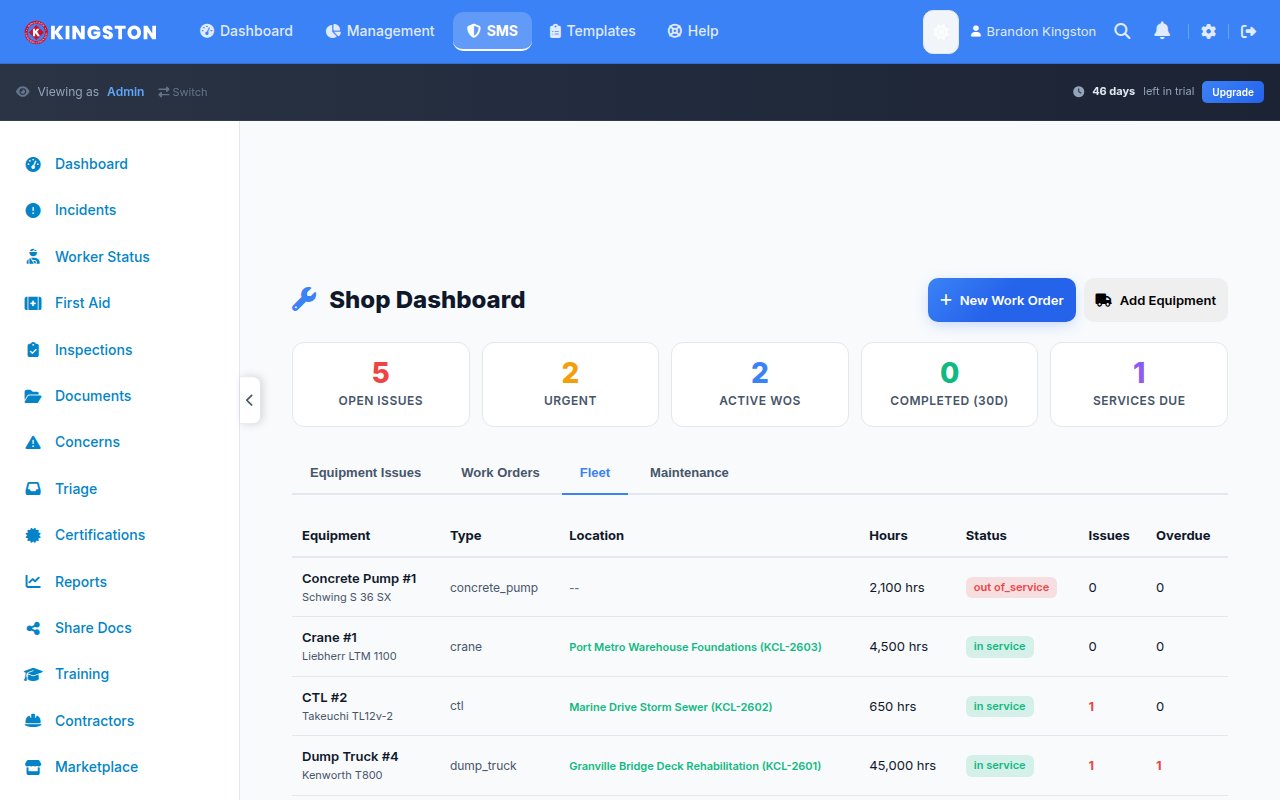
Fleet safety management is a structured approach to preventing vehicle-related accidents, reducing operational costs and ensuring regulatory compliance across your entire fleet. Whether you manage five delivery vans or five hundred commercial trucks, a well-designed fleet safety program protects drivers, lowers insurance premiums and shields your organization from costly litigation. The most effective programs combine driver training, routine vehicle inspections, real-time monitoring and a clear incident reporting process.
What Is a Fleet Safety Program?
A fleet safety program is a documented set of policies, procedures and tools designed to minimize risk associated with operating company vehicles. It covers everything from driver qualification and onboarding to vehicle maintenance schedules and post-accident protocols. Organizations with mature fleet safety programs typically see 20-40% fewer accidents compared to those operating without a formal plan.
The Federal Motor Carrier Safety Administration (FMCSA) sets baseline requirements for commercial fleets, but a strong vehicle safety program goes well beyond minimum compliance. It creates a culture where safety is embedded into every decision a driver makes behind the wheel.
Free Download: 5 Safe Work Procedures
Choose from 112 professionally written SWPs. No credit card required.
Get Free SWPsKey Components of Fleet Safety Management
- Driver qualification and screening: MVR checks, drug testing and skills assessments before any driver operates a company vehicle
- Vehicle inspection protocols: Pre-trip, post-trip and periodic inspections that catch mechanical issues before they cause breakdowns or accidents
- Training and education: Ongoing defensive driving courses, hazard awareness sessions and refresher modules
- Incident reporting and analysis: A clear process for documenting accidents, near-misses and unsafe conditions
- Telematics and monitoring: GPS tracking, dash cameras and driver behavior scoring systems
- Maintenance management: Scheduled servicing, tire rotations and brake inspections tracked through a centralized system
Building Your Fleet Safety Management Program
Creating a fleet safety program from scratch can feel overwhelming, but breaking it into phases makes the process manageable. Start with a risk assessment of your current operations, then build policies that address the highest-priority gaps.
Step 1: Conduct a Fleet Risk Assessment
Review your accident history from the past three to five years. Identify patterns such as frequent rear-end collisions, intersection incidents or backing accidents. Examine driver records for moving violations and license status. Audit your current vehicle maintenance logs to check for overdue services or recurring mechanical failures.
This baseline data tells you exactly where your fleet safety program needs the most attention. Without it, you are guessing at solutions instead of targeting root causes.
Step 2: Develop Written Policies
Your fleet safety policy document should cover the following areas at minimum:
- Authorized driver criteria (age, license class, MVR thresholds)
- Distracted driving prohibitions (cell phone use, eating while driving)
- Seatbelt requirements for all occupants
- Speed limit adherence and posted speed expectations
- Drug and alcohol policies aligned with DOT regulations
- Personal use of company vehicles
- Accident reporting procedures and timelines
Make the policy easily accessible. A digital copy stored in a document management system ensures every driver can reference it on any device at any time.
Step 3: Implement Pre-Trip and Post-Trip Inspections
Vehicle inspections are the single most effective tool for preventing mechanical-failure accidents. A proper pre-trip inspection takes 10-15 minutes and covers tires, brakes, lights, mirrors, fluid levels and cargo securement. Post-trip inspections catch damage or wear that occurred during the shift.
Digital inspection checklists eliminate the paper trail problem. Drivers complete inspections on a mobile device, photos are attached automatically and supervisors receive alerts when deficiencies are flagged. This creates an auditable record that satisfies DOT requirements and demonstrates due diligence in the event of litigation.
Step 4: Establish a Driver Training Program
Initial training should include behind-the-wheel evaluation, classroom instruction on company policies and a review of common accident scenarios. Ongoing training is equally important. Quarterly refresher sessions keep safety top of mind and address seasonal hazards like winter driving or construction zone navigation.
Topics to rotate through your annual training calendar include:
- Defensive driving techniques
- Fatigue management and hours-of-service compliance
- Adverse weather driving strategies
- Backing and parking lot safety
- Load securement and weight distribution
- Emergency response procedures
Step 5: Create an Incident Reporting Workflow
When an accident or near-miss occurs, the clock starts ticking. Your fleet safety program needs a clear, step-by-step process that drivers can follow under stress. This includes securing the scene, contacting emergency services if needed, documenting the incident with photos and written statements and notifying the appropriate supervisor.
A digital incident reporting system streamlines this entire process. Drivers submit reports from the field, including GPS-tagged photos and witness information. Supervisors can initiate investigations immediately rather than waiting for paperwork to arrive days later.
Fleet Safety Metrics That Matter
You cannot improve what you do not measure. Track these key performance indicators to evaluate your fleet safety management program:
Accident Frequency Rate
Calculate the number of preventable accidents per million miles driven. This normalizes your data regardless of fleet size and allows year-over-year comparison. The National Safety Council considers a rate below 3.0 per million miles to be strong performance for general freight carriers.
Vehicle Inspection Compliance Rate
Measure the percentage of required inspections completed on time. Target 100% compliance. Anything below 95% indicates a systemic issue with driver accountability or supervisor oversight.
Training Completion Rate
Track the percentage of drivers who have completed all required training modules within designated timeframes. Incomplete training is both a safety risk and a regulatory liability.
Cost Per Incident
Calculate the total cost of each incident including vehicle repairs, medical expenses, lost productivity, rental replacements and insurance premium increases. This metric helps justify safety investments by putting a dollar figure on prevention.
Technology in Fleet Safety Management
Modern fleet safety programs leverage technology to automate compliance, improve visibility and reduce administrative burden. The most impactful tools include:
Telematics systems track vehicle location, speed, harsh braking events and idle time. This data feeds into driver scorecards that identify coaching opportunities before bad habits become accidents.
Dash cameras provide objective evidence in the event of an accident and serve as a powerful training tool. Reviewing real footage from near-miss events is far more effective than hypothetical scenarios in a classroom.
Digital inspection platforms replace paper checklists with mobile-friendly forms that include photo documentation, automated notifications and centralized record storage. They make compliance effortless and create a defensible audit trail.
Safety management software ties everything together by tracking inspections, incidents, training records and corrective actions in a single platform. This eliminates data silos and gives fleet managers a real-time view of their safety performance.
Common Fleet Safety Mistakes to Avoid
Even well-intentioned fleet safety programs can fail if they fall into these traps:
- Reactive instead of proactive: Waiting for accidents to happen before making changes costs more in every dimension
- Paper-based processes: Manual forms get lost, damaged or completed after the fact, destroying their value as compliance records
- Inconsistent enforcement: Policies that apply to some drivers but not others erode trust and create legal exposure
- Ignoring near-misses: Every accident is preceded by dozens of near-misses that could have served as early warnings
- Skipping post-accident analysis: Without root cause investigation, the same types of accidents keep recurring
Regulatory Compliance for Fleet Safety
Depending on your fleet type, you may need to comply with FMCSA regulations, OSHA standards or state-specific requirements. Key federal requirements include:
- CDL driver qualification files (49 CFR Part 391)
- Hours-of-service limits and ELD mandates (49 CFR Part 395)
- Vehicle inspection, repair and maintenance standards (49 CFR Part 396)
- Drug and alcohol testing programs (49 CFR Part 382)
- Hazardous materials transportation requirements (49 CFR Part 397)
Non-commercial fleets are not exempt from safety obligations. OSHA's General Duty Clause requires employers to provide a workplace free from recognized hazards, and that workplace extends to company vehicles.
Take Control of Your Fleet Safety Program
A strong fleet safety management program protects your drivers, reduces costs and keeps your organization compliant. But managing inspections, training records, incident reports and corrective actions across an entire fleet requires the right tools.
Make Safety Easy gives fleet managers a centralized platform for digital vehicle inspections, real-time incident reporting and automated compliance tracking. Stop chasing paperwork and start building a fleet safety culture that delivers measurable results.
Request a demo to see how Make Safety Easy can streamline your fleet safety program, or view our pricing to find the right plan for your fleet size.
Ready to simplify your safety program?
Make Safety Easy helps teams run toolbox talks, inspections, incident reports and more - all from one platform.
Start Your Free TrialNo credit card required. 14-day free trial.