A LOTO annual inspection is a formal review of your lockout tagout energy control procedures required at least once per year under OSHA standard 29 CFR 1910.147(c)(6). The inspection must verify that each energy control procedure is still adequate, that employees understand their responsibilities and that the procedure is being followed correctly. Failing to conduct these periodic inspections is one of the most frequently cited lockout tagout violations.
Why OSHA Requires a LOTO Periodic Inspection
Equipment changes, personnel turnover and procedural drift can erode the effectiveness of your lockout tagout procedures over time. A machine may have been modified with an additional energy source that the original procedure does not address. A new employee may have been trained but never observed performing the lockout sequence. The periodic inspection exists to catch these gaps before they contribute to an uncontrolled energy release.
OSHA's lockout tagout standard consistently ranks among the agency's top 10 most-cited violations year after year. Within that standard, inadequate periodic inspections represent a significant share of citations. The good news is that with a structured checklist and a disciplined schedule this requirement is straightforward to meet.
Free Download: 5 Safe Work Procedures
Choose from 112 professionally written SWPs. No credit card required.
Get Free SWPsWho Can Conduct the LOTO Audit?
OSHA requires the periodic inspection to be performed by an "authorized employee" who is not the one using the energy control procedure being reviewed. This independence requirement ensures a fresh set of eyes evaluates the procedure. The inspector must be knowledgeable about the equipment, the energy sources involved and the lockout tagout process.
For procedures that involve only lockout devices (no tagout), the inspection must include a review between the inspector and each authorized employee. For procedures involving tagout devices, the inspection must include a review with both authorized and affected employees. Document who conducted the inspection and who participated - OSHA will want to see this during any audit.
LOTO Annual Inspection Checklist
Use the following checklist to conduct your lockout tagout periodic inspection. Each item should be verified, documented and signed off by the inspector.
Pre-Inspection Preparation
- Obtain the current written energy control procedure for the equipment being reviewed
- Confirm the identity of the authorized inspector (must not be the primary user of this procedure)
- Gather the previous year's inspection records and any incident reports related to this equipment
- Schedule the inspection at a time when the equipment can be safely demonstrated if needed
- Notify affected employees and supervisors of the upcoming review
Procedure Accuracy Review
- Verify that the written procedure identifies the correct equipment by name, number and location
- Confirm all energy sources (electrical, mechanical, hydraulic, pneumatic, thermal, chemical, gravitational) are identified
- Check that isolation points match the current physical configuration of the equipment
- Verify the procedure includes the correct sequence for shutdown, isolation, lockout/tagout application, stored energy release and verification
- Confirm the procedure addresses energy re-accumulation where applicable
- Verify that the procedure reflects any equipment modifications made since the last inspection
Employee Knowledge Verification
- Review each authorized employee's understanding of the specific procedure
- Ask the employee to walk through the lockout sequence verbally or physically
- Confirm the employee can identify all energy sources and isolation points
- Verify the employee understands when and how to apply lockout and tagout devices
- Confirm the employee knows the verification step (try-start or energy measurement)
- For tagout procedures: review with affected employees to confirm they understand the limitations of tagout devices and the prohibition against removing another worker's tag
Device and Hardware Inspection
- Inspect all locks for proper function (keys work, shackles close securely)
- Verify tags are legible, durable and have the required warning statement
- Check that hasps, valve lockouts, circuit breaker lockouts and other hardware are in good condition
- Confirm there are enough devices available for all authorized employees who may work on the equipment simultaneously (group lockout situations)
- Verify lockout devices are standardized by color, shape or size as required by your program
Group Lockout and Complex Procedures
- If the procedure involves group lockout/tagout, verify the group procedure is documented and understood
- Confirm a primary authorized employee has been designated to coordinate the group lockout
- Verify that each crew member applies their individual lock to the group lockbox or hasp
- Check that shift change procedures address continuity of lockout protection
Documentation and Corrective Actions
- Record the date of the inspection
- Record the name and signature of the authorized inspector
- Record the names of all employees reviewed during the inspection
- Record the specific equipment and procedure inspected
- Document any deviations, deficiencies or corrective actions needed
- Assign corrective action owners and deadlines
- File the completed inspection record where it can be readily accessed for OSHA review
Common Findings During LOTO Audits
After conducting hundreds of periodic inspections across industries, certain findings appear repeatedly. Being aware of these common issues helps you target your inspection effort.
Outdated Procedures
Equipment modifications - adding a new hydraulic line, replacing a motor or reconfiguring control wiring - often outpace procedure updates. The written procedure no longer matches the physical reality of the machine. This is dangerous and citable.
Missing Energy Sources
Gravity, stored pneumatic pressure, thermal energy from heated surfaces and capacitors that retain electrical charge are frequently overlooked. Your procedure must account for every energy source, not just the obvious ones.
Skipped Verification Step
The "try-start" or zero-energy verification step is the final confirmation that the equipment is truly de-energized. Some workers skip this step out of habit or time pressure. The periodic inspection should specifically probe whether this step is consistently performed.
Inadequate Training Records
OSHA expects to see documentation that authorized employees have been trained on the specific procedures they use. Generic "LOTO awareness" training alone is not sufficient. Each authorized employee needs documented training on each procedure they are expected to perform.
Tagout Used Without Lockout
Tagout alone is permitted only when the energy isolating device is not capable of being locked out and the employer can demonstrate that the tagout program provides "full employee protection." In practice, most modern equipment can be locked out and OSHA expects lockout to be used.
Inspection Frequency and Scheduling
OSHA's minimum requirement is one inspection per energy control procedure per year. However, many organizations inspect more frequently based on risk. High-hazard equipment, procedures used by many employees and equipment that has been recently modified warrant more frequent review.
Build your annual inspection schedule at the start of each calendar year. Assign specific procedures to specific months so the workload is distributed evenly rather than cramming all inspections into December.
Digital vs Paper-Based LOTO Inspections
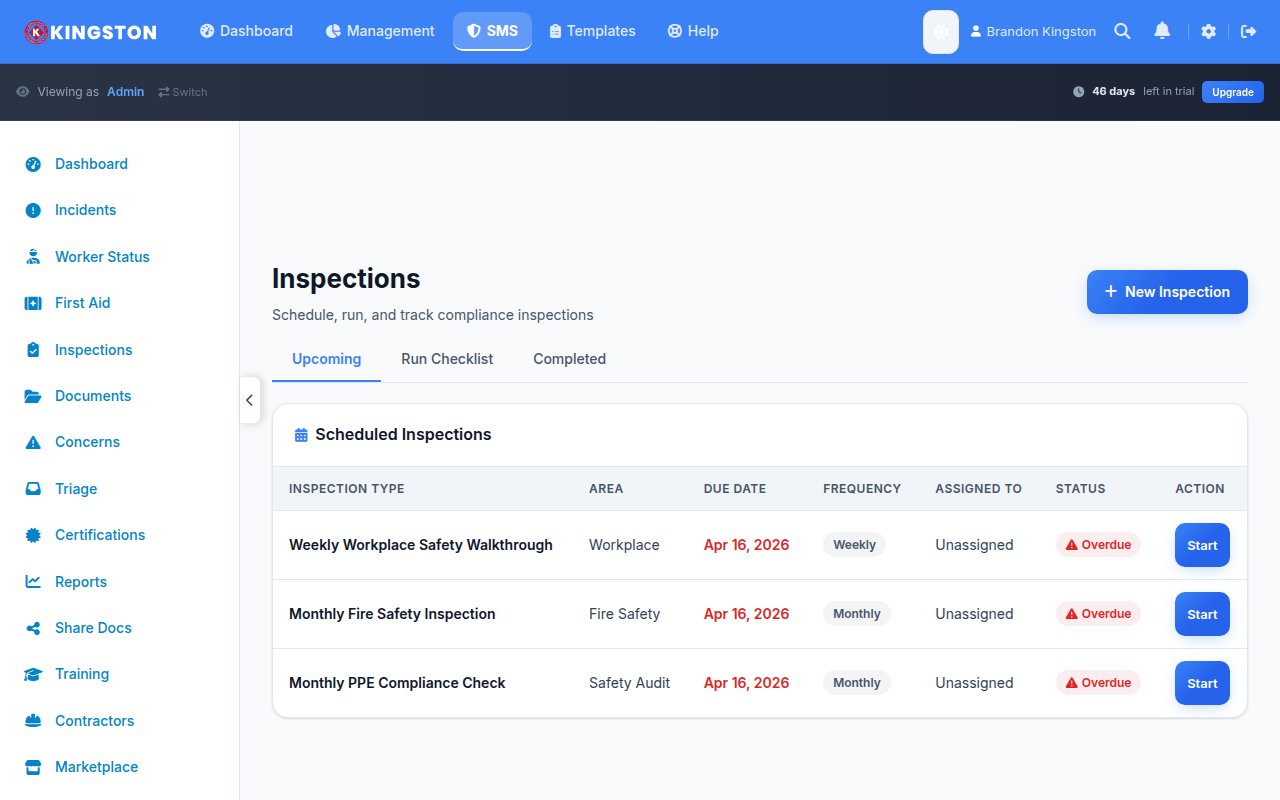
Paper checklists work but they introduce risk. Forms get lost, handwriting is illegible and aggregating data across dozens or hundreds of procedures is labor-intensive. Digital inspection platforms allow inspectors to complete checklists on a tablet or phone, attach photos of isolation points, flag corrective actions that automatically route to the responsible person and generate audit-ready reports with a few clicks.
The time savings compound as your program grows. An organization with 50 energy control procedures that spends 30 minutes per inspection on paperwork alone can reclaim 25 hours annually by switching to a digital workflow.
Preparing for an OSHA LOTO Audit
If an OSHA compliance officer arrives to inspect your lockout tagout program, they will typically ask for three things: your written energy control procedures, your training records and your periodic inspection documentation. Having all three organized and accessible demonstrates program maturity and can reduce the scope and severity of any findings.
Keep your inspection records for a minimum of three years (longer if your state plan requires it). Organize them by equipment so you can quickly retrieve the inspection history for any machine the compliance officer selects.
Streamline Your LOTO Inspections
A well-executed LOTO annual inspection protects your workers, satisfies regulatory requirements and continuously improves your energy control program. The checklist above gives you a repeatable framework. The key is consistency - schedule it, execute it and document it every single year.
Want to digitize your LOTO periodic inspections and eliminate paper checklists? Book a free demo to see how Make Safety Easy's inspection management platform simplifies scheduling, execution and record-keeping. Or view our pricing to get started today.
Ready to simplify your safety program?
Make Safety Easy helps teams run toolbox talks, inspections, incident reports and more - all from one platform.
Start Your Free TrialNo credit card required. 14-day free trial.