When a worker is injured on the job, returning to full duties immediately is not always possible. Modified duties - also called light duties, restricted duties or accommodated work - bridge the gap between medical leave and full return. Understanding modified duties is essential for both employers managing workers compensation claims and employees navigating their recovery.
What Are Modified Duties?
Modified duties are temporary changes to a workers regular job tasks to accommodate medical restrictions after a workplace injury or illness. This can include reduced hours, lighter physical tasks, different responsibilities or ergonomic adjustments to the workstation. The goal is to keep the worker productive while respecting their medical limitations.
Modified Duties vs Light Duties
While often used interchangeably, there is a subtle difference. Modified duties adjust the workers existing role (same job with accommodations). Light duties may involve entirely different tasks that fall within medical restrictions. Both serve the same purpose: facilitating safe return to work.
Free Download: 5 Safe Work Procedures
Choose from 112 professionally written SWPs. No credit card required.
Get Free SWPsEmployer Obligations for Modified Duties
Employers have a duty to accommodate injured workers to the point of undue hardship. This includes:
- Offering modified work that respects medical restrictions documented by the treating physician
- Maintaining the workers regular pay rate (in most jurisdictions) during modified duty period
- Providing a safe work environment that does not aggravate the injury
- Engaging in an interactive process with the worker and their healthcare provider
- Documenting all modified duty offers and the workers response
Employee Rights During Modified Duties
Workers on modified duties have the right to:
- Refuse tasks that exceed their medical restrictions
- Continue receiving workers compensation benefits if suitable modified work is not available
- Have their medical information kept confidential (only restrictions shared with supervisor, not diagnosis)
- Request re-evaluation of duties as their condition changes
- Return to their regular position when medically cleared
How Long Can Modified Duties Last?
There is no universal time limit. Duration depends on the jurisdiction, the nature of the injury and the workers compensation board guidelines. Typically:
- Short-term: 2-6 weeks for sprains, strains and minor injuries
- Medium-term: 6-12 weeks for fractures, surgeries and moderate injuries
- Long-term: 3-12 months for serious injuries requiring rehabilitation
Modified duties should be reviewed regularly (at least every 2-4 weeks) and adjusted based on medical progress reports.
Modified Duties and Workers Compensation
Modified duty programs directly impact workers comp costs. When an employer offers suitable modified work and the worker accepts, wage replacement benefits may be reduced or eliminated since the worker is earning wages. If the worker unreasonably refuses suitable modified work, their benefits may be affected.
Effective modified duty programs can reduce workers comp premiums by 20-40% through lower claim costs and faster return-to-work outcomes.
Best Practices for Modified Duty Programs
- Document everything: Keep written records of medical restrictions, job offers, worker responses and duty modifications
- Create a bank of modified tasks: Pre-identify tasks across departments that can accommodate various restrictions
- Communicate clearly: Ensure the worker, supervisor and HR all understand the modified duties and restrictions
- Review regularly: Schedule follow-up assessments every 2-4 weeks
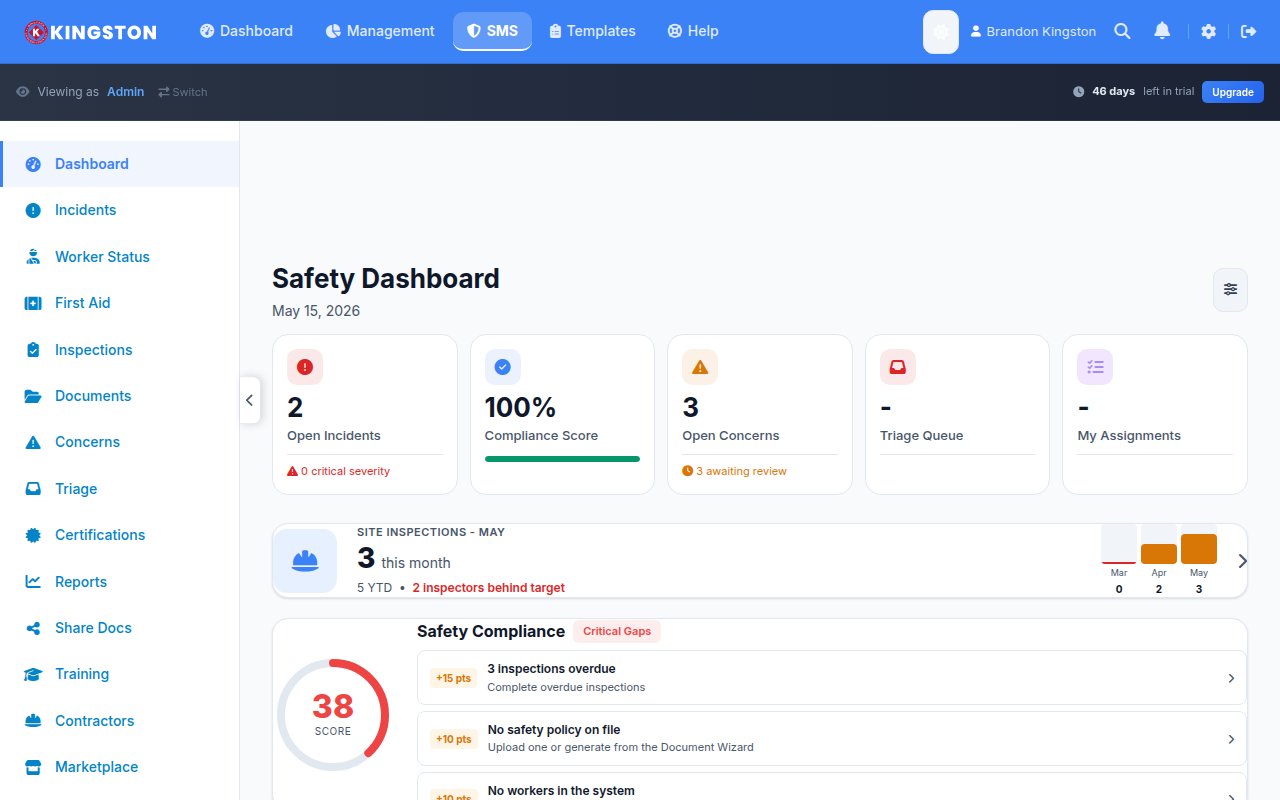
- Use safety management software: Track modified duty assignments, review dates and compliance documentation in one system
Make Safety Easy helps you manage modified duty programs, track workers compensation claims and maintain compliance documentation. Start your free 14-day trial to streamline your return-to-work process.
Go Digital with Make Safety Easy
Replace paper checklists with one platform your whole team can use.
Frequently asked questions
What does modified duties mean?
Modified duties are temporary changes to a workers regular job tasks to accommodate medical restrictions after a workplace injury. This can include reduced hours, lighter physical tasks, different responsibilities or ergonomic adjustments. The purpose is to facilitate safe return to work while respecting medical limitations.
How long can modified duties last?
There is no universal time limit for modified duties. Duration depends on injury severity and jurisdiction: 2-6 weeks for minor injuries, 6-12 weeks for moderate injuries like fractures, and 3-12 months for serious injuries requiring rehabilitation. Duties should be reviewed every 2-4 weeks and adjusted based on medical progress.
Can I refuse modified duties on workers comp?
You can refuse modified duties that exceed your medical restrictions. However, if the employer offers suitable modified work that respects your documented restrictions and you unreasonably refuse, your workers compensation wage replacement benefits may be reduced or suspended. Always consult your treating physician and workers comp representative before refusing.